



What Buyers Actually Need to Know About Semi‑Automatic Espresso Machines
For most cafés and restaurants, a semi-automatic espresso machine is the practical choice. You get the control you need without the chaos of going fully manual. Forget the feature list; the real test is whether it can handle a busy counter at 8:00 AM without falling apart.
Why This Format Still Wins
Fully automatic machines hide extraction flaws behind pre‑set programs. Semi-Automatic Coffee Equipment forces your team to engage with the coffee, allowing adjustments for roast age, humidity, and grind changes. If you care about drink quality, this control is non‑negotiable.
The Three Questions That Matter Most
Before looking at colors or brand names, answer these:
-
Footprint: Does it fit your bar with room for grinders, pitchers, and cups?
-
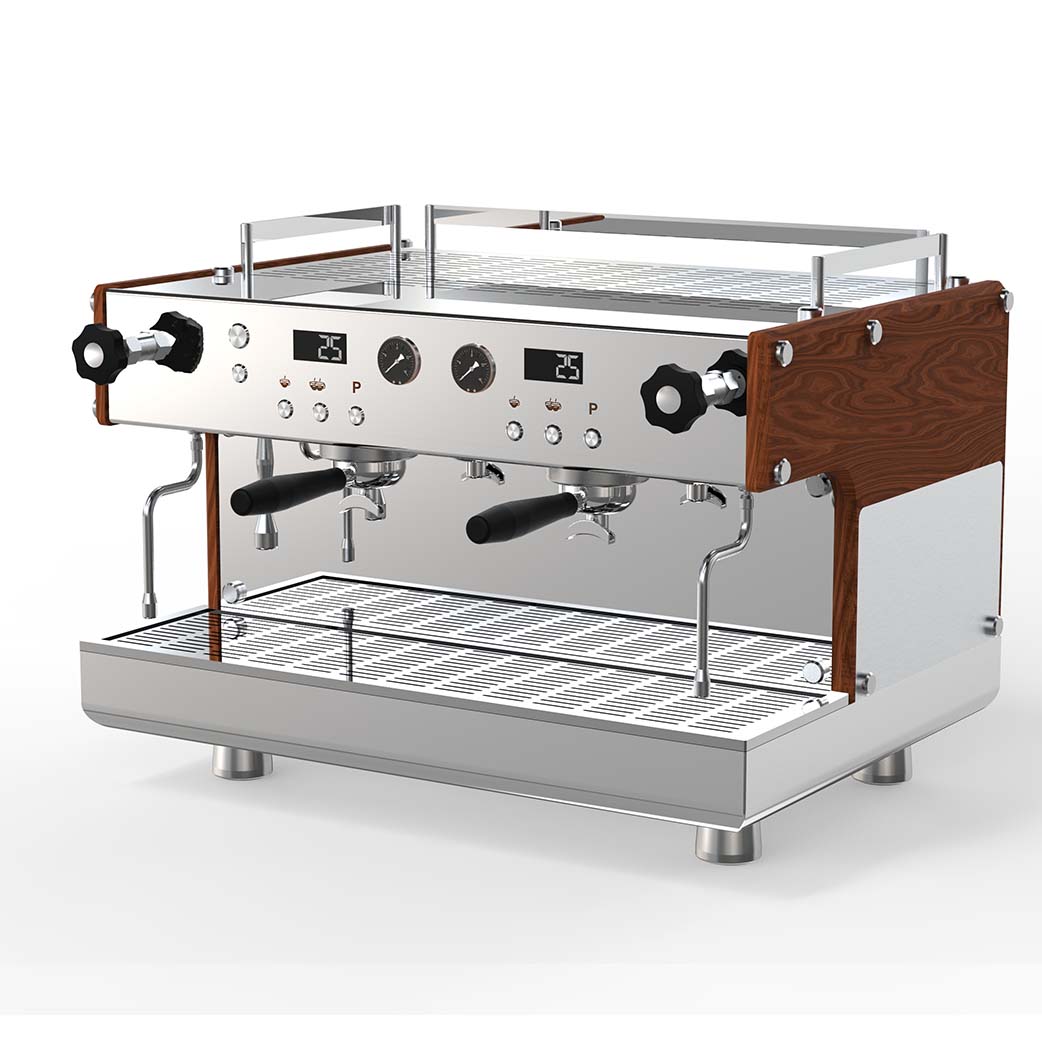
Workflow: Can two staff work simultaneously during peak hours? (If you serve mostly milk drinks, dual group head espresso machine configurations are essential.)
-
Serviceability: Are parts available, and can your team perform basic maintenance?
Reading the Machine by Its Construction
You don’t need a spec sheet to spot a workhorse. Look at the build:
-
Metal Body: Powder‑coated steel ensures espresso machine durability. Stainless steel around the group head resists scale.
-
Adjustable Feet: Essential for leveling on uneven counters. An unlevel machine creates drainage and stability issues.
-
Drip Tray: If it’s shallow or hard to remove, it will slow down your busiest shifts.
-
Dual Portafilters: Indicates the machine is built for parallel service, not just light use.
Common Buying Mistakes
-
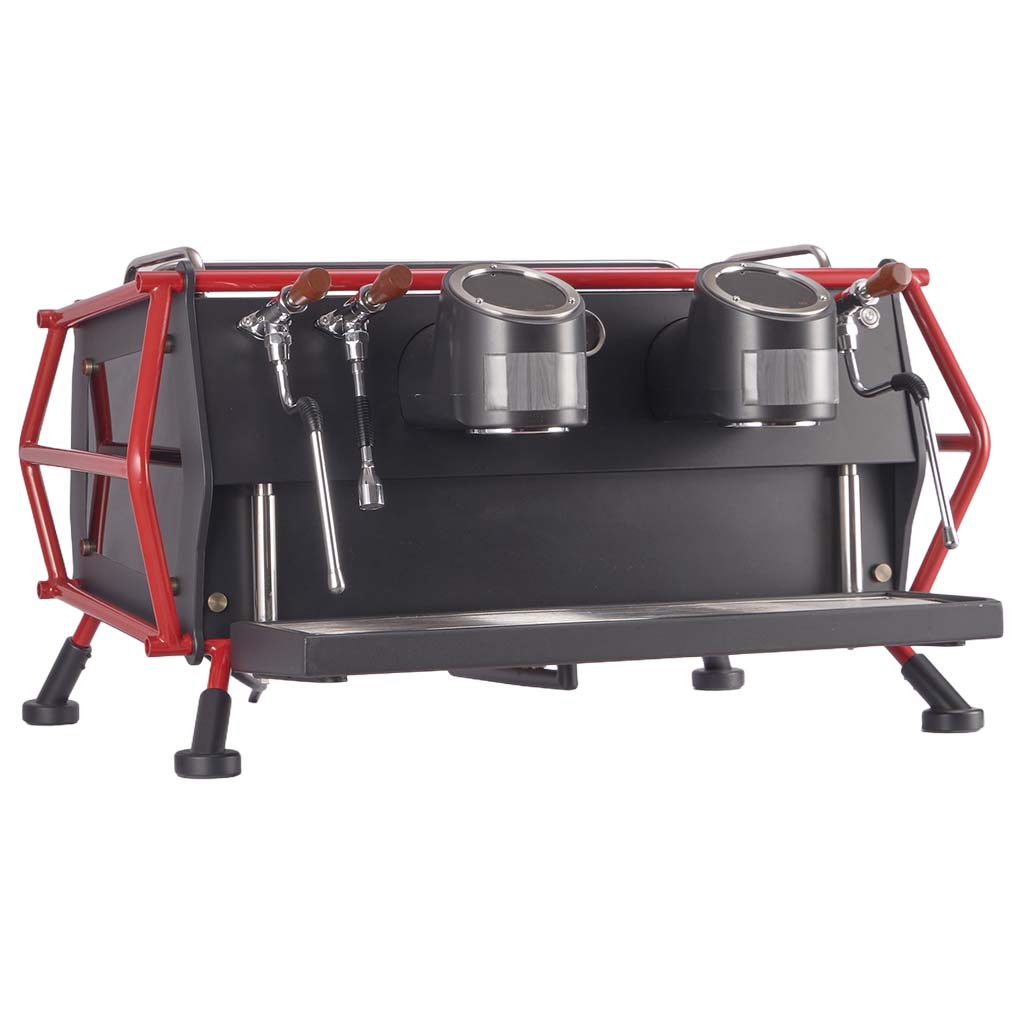
Buying for Looks: A bold color scheme won’t help when the machine fails under pressure. Prioritize durability.
-
Ignoring Cleaning Access: Daily cleaning is high‑frequency work. If it’s difficult to disassemble, standards will slip.
-
Forgetting the Ecosystem: The machine doesn’t sit alone. Consider grinder placement, glass washing distance, and cup storage flow.
Practical Advice for Operators
When comparing models, ignore the fluff and ask for the operational details. This is the core of any good Commercial Espresso Machine Buying Guide.
-
Group head configuration and espresso machine boiler capacity.
-
Power requirements (voltage/phase) and plumbing needs.
-
Maintenance schedule and parts availability.
For most small to mid‑volume operations, a compact, professional espresso machine with dual groups is the safest starting point. It balances cost, speed, and control.
The Final Checklist Before You Buy
Do not guess the following. Confirm them directly with the supplier:
-
Boiler Capacity: Is it large enough for back‑to‑back milk drinks?
-
Pump Type: Rotary or vibratory? (Rotary is generally preferred for commercial longevity).
-
Certifications: Does it meet local commercial electrical and sanitation codes?
Judge the machine on workflow first, cosmetics second. A machine that fits your bar, your staff, and your volume is the only machine worth buying. Don't just chase the label of the best espresso machine—find the one that actually works for you.