



When you first look at espresso machine specs, you often see three terms: PID, T3 System, and NTC sensor. It‘s easy to think they are the same kind of thing.
But they are completely different.
Here’s the short version:
· NTC = the eye (measures temperature)
· PID = the brain (controls heating)
· T3 System = a complete monitoring package (multiple eyes + brain)
Let‘s break down each one in plain language.
1. NTC Sensor: The Coffee Machine’s Thermometer
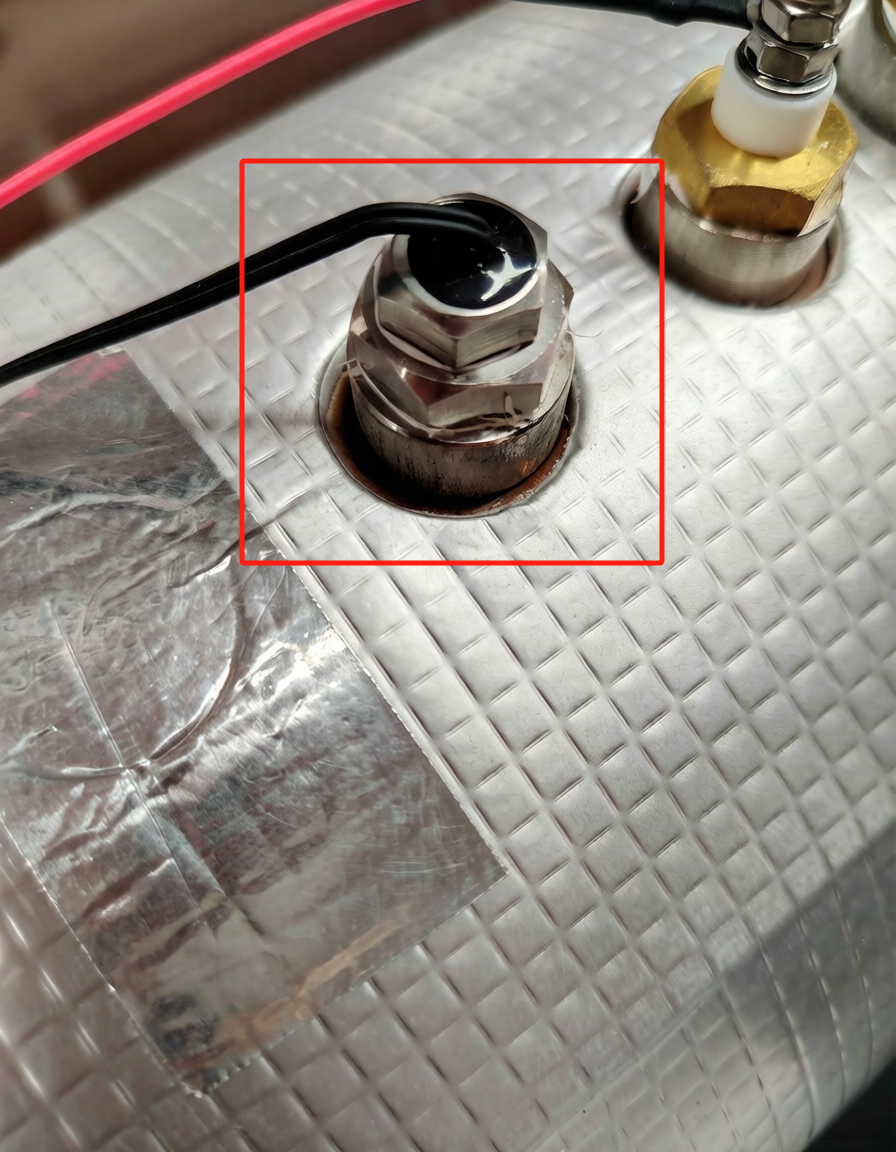
NTC stands for “Negative Temperature Coefficient thermistor”. Fancy name, simple job: measuring water temperature.
It works like a tiny thermometer, telling the control board: “It‘s 85°F… now 90°F… now 92°F.”
· Good: cheap, fast response.
· Bad: it only sees temperature, it doesn’t keep it steady.
On a machine without PID, the heating logic is crude: heat hard when cold, stop when hot. Temperature can swing 10-15°C. Espresso becomes unpredictable.
2. PID Temperature Control: The Constant-Temperature Brain
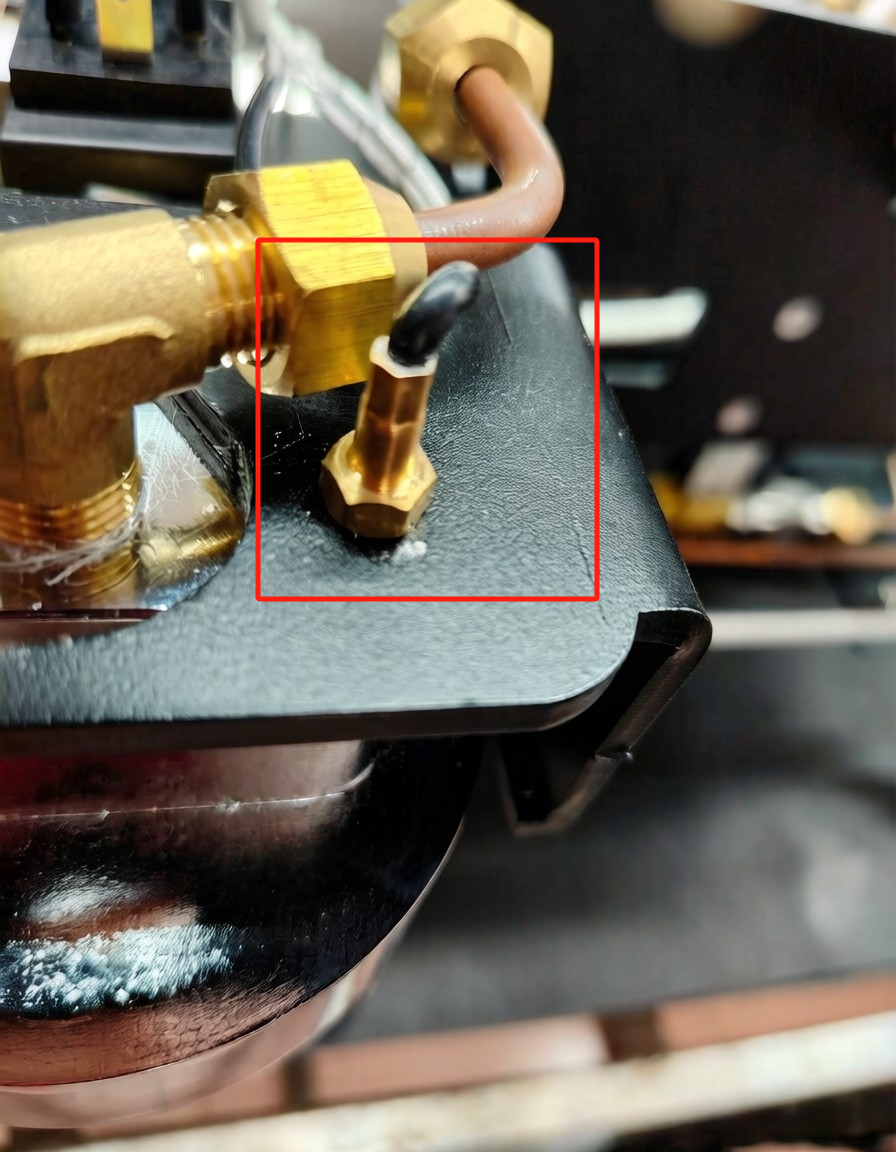
PID temperature control is an intelligent algorithm. It doesn‘t just look at “current temperature”. It calculates past changes and future trends, then adjusts heating power in advance.
Think of it like driving:
· Basic control: slam gas then slam brakes.
· PID control: a smooth driver eases off the gas early to keep speed steady.
On a coffee machine, PID temperature control keeps water temperature within ±1°C. Set it to 92°C, and it stays right around there.That's why any serious PID coffee machine is worth the investment.
Should you get a machine with PID?
Yes. Without PID, home espresso machines struggle with consistency — especially with light roasts (sour, sharp shots).
A quick note on PID vs NTC
Many beginners ask about PID vs NTC.The difference is simple:NTC is just a sensor(measures temperatures),while PID is a controller(uses that data to stabilize temperature).You need both for good coffee machine temperature control,but PID is what makes the magic happen.
3. T3 System: Not a Single Tech, But a “Package Deal”
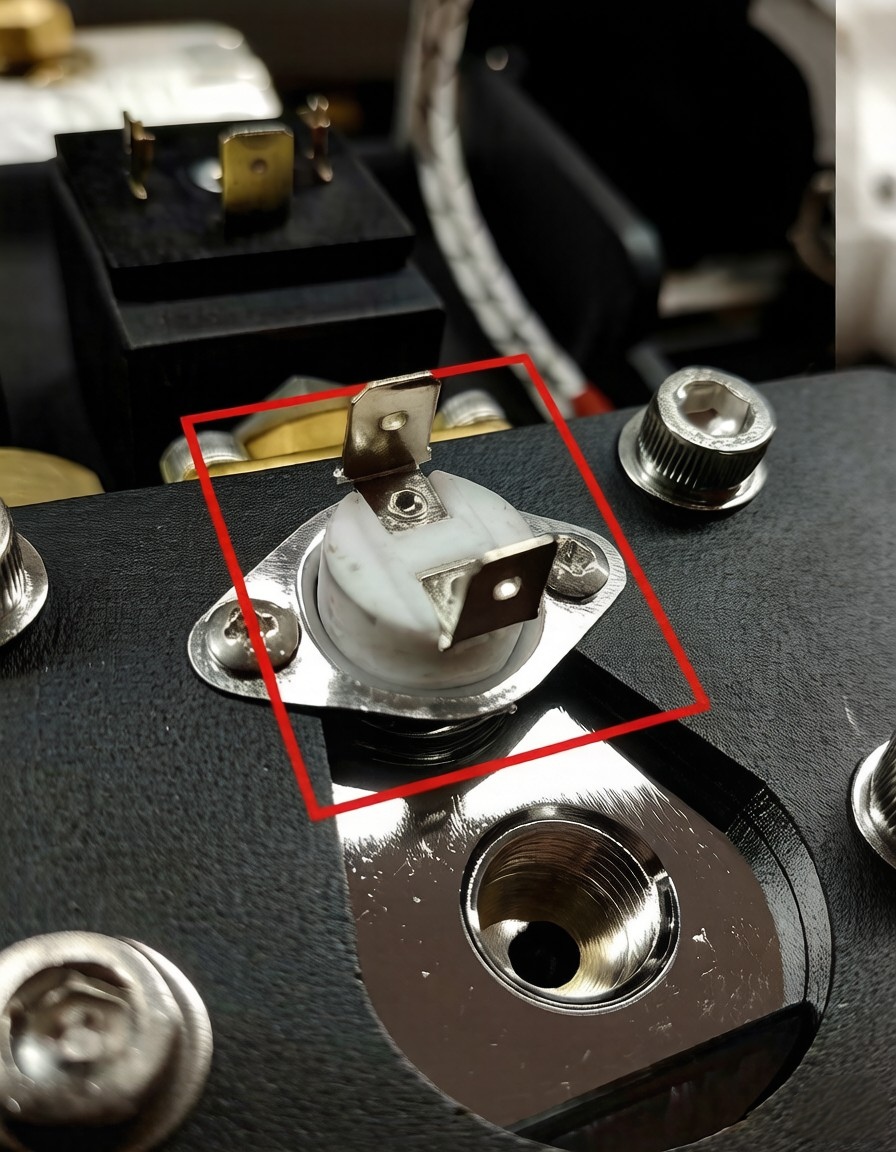
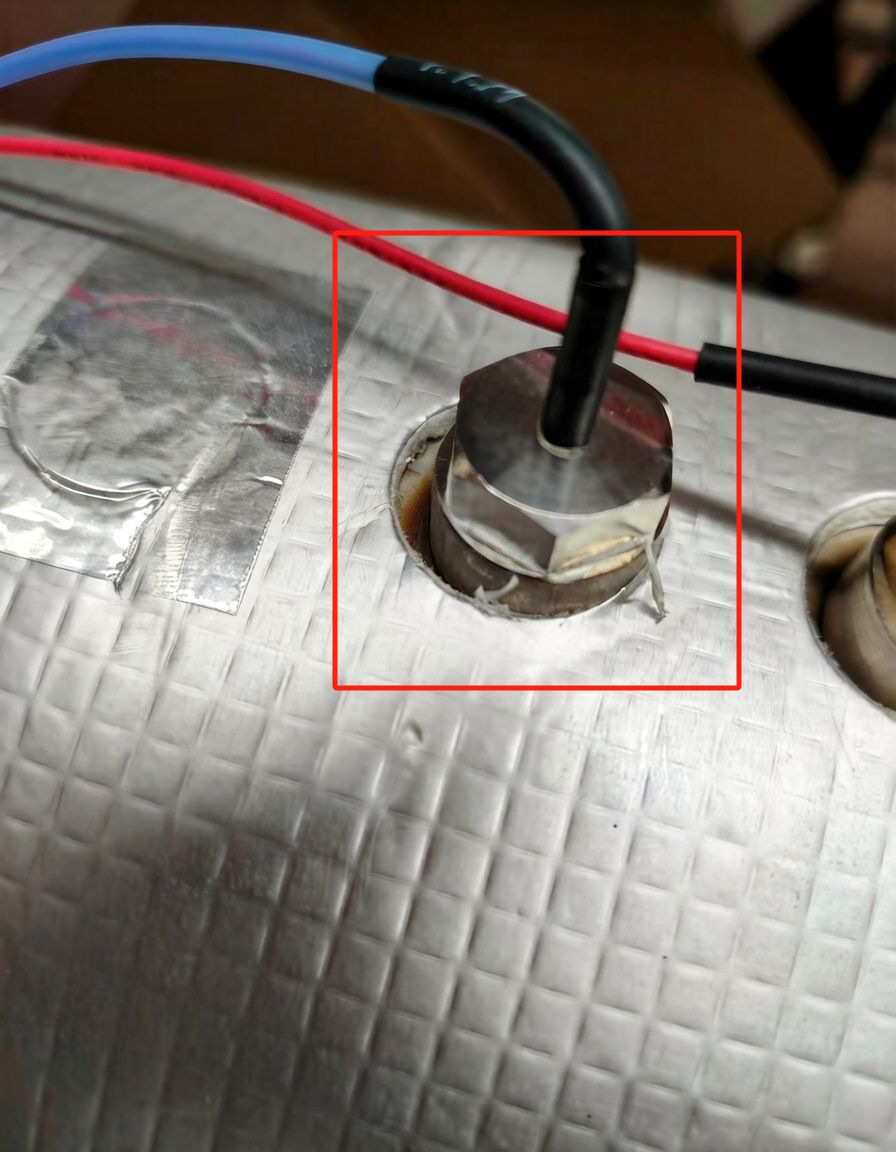
The T3 system espresso is not a third type of technology. It‘s a bundled system: 3 NTC probes + PID algorithm + special water path design.
The three probes are placed at:
· Water inlet
· Middle of the boiler
· Water outlet (near the group head)
This way, the machine monitors “incoming water temp” and “outgoing water temp” in real time. The PID compensates accurately, solving the common problem where boiler temperature is fine but the water cools down by the time it hits the coffee puck.
In simple terms: A basic machine has one thermometer inside the boiler. The T3 system has three monitoring points along the entire water path — every stage is managed.
Real-world example:If you're looking for a machine that combines dual boiler design with T3 system,check our the KY-mini A3 adjustable temperature dual boiler espresso machine.It features a single-group dual boiler configuration and a built-in T3 system-allowing you to independently control brew temperature and steam temperature.Click here to view the KY-mini A3 product page
Comparison Table:PID vs NTC vs T3 System
| Term | Role in Plain Words | Main Function | Useful Alone |
| NTC Sensor | Eye/Thermometer | Measures current water temperature | Yes,but only sees,doesn't control |
| PID temperature control | Brain/Smooth drive | Calculates heating strategy to stabilize temperature | Yes,core feature for espresso |
| T3 system | Full monitoring package | Multi-point sensing+PID control | It's a whole system,not a single part |
Buying Advice
1. Entry-level (under $400) – Many have only NTC + simple thermostat . Temperature swings are large. Not ideal for serious espresso.
2. Mid-range ($500–$900) – Get a machine with PID. This is the foundation of stable extraction, whether it’s a thermoblock or a small boiler.
3. High-end ($1000+) – You may see PID + multi-probe systems (like T3 or similar). Better shot-to-shot consistency, but not mandatory. If budget allows, it’s nice to have.
Remember this one sentence:
NTC is the eye, PID is the brain, and T3 is the full-room security camera system. They are not the same thing.