

Choosing a commercial espresso machine is not just about buying new equipment for the counter. For a coffee shop, cafe, restaurant, office coffee bar, or coffee cart, the wrong espresso machine can slow service, raise maintenance costs, and make busy hours feel chaotic.
The best commercial espresso machine should match daily volume, counter layout, barista skill, boiler design, grinders, and long-term service support. This post explains how to choose a commercial espresso machine, what commercial machines are used for, how much an espresso machine may cost, and why boiler pressure matters.
Use it before comparing stock models, OEM options, or ODM espresso projects.
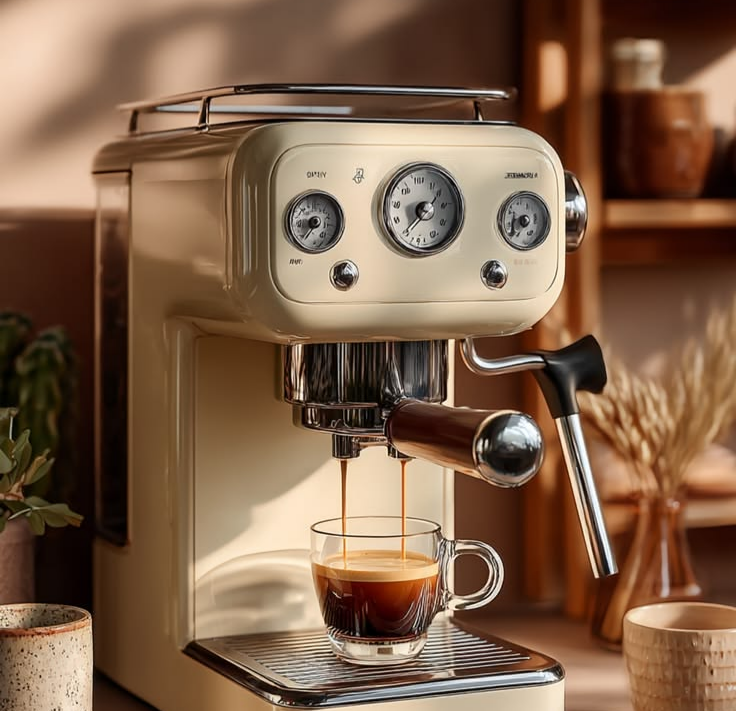
What Is a Commercial Espresso Machine?
A commercial espresso machine is an espresso machine designed to produce steady espresso shots in a business setting. Compared with a home machine, it usually has a larger boiler, stronger steam power, heavier group head construction, a drip tray, and durable materials such as brass and stainless steel.
For cafe use, stability matters more than decoration. A sleek design helps branding, but the machine must also deliver fast recovery time, consistent shot volume, stable boiler pressure, reliable milk steaming, and easy access for service.
This is the primary difference between a display machine and a real professional espresso machine.
Start With Daily Drink Volume
Selecting a commercial espresso machine depends on daily volume and counter space. Before comparing La Marzocco, Victoria Arduino, Rancilio, or Rocket Espresso, start with your workflow.
How many drinks do you sell per day? How many baristas work at the same time? Do you need one group head, two group heads, or a three-group layout?
One group head handles up to around 50 drinks per day. This can match a small office, a low-volume cafe, or a compact coffee cart.
A two group machine covers about 150 to 200 drinks daily. For many shop owners, this is the most balanced commercial espresso machine choice.
A two- to three-group machine is recommended for 200 to 300 drinks per day. A three-group machine is necessary for 300 to 500+ drinks per day, especially for a coffee shop with a strong morning rush.
One Group, Two Group, or Three Group?
Group head count affects speed, workflow, weight, and budget. A one-group espresso machine is compact and easier to install, but it limits service during peak hours.
A two group machine gives a coffee shop more flexibility. Two group heads allow two baristas to work together, or one skilled barista to pull shots faster while preparing milk drinks.
For a busy shop, a larger professional espresso machine can be worth the investment. The best commercial espresso machine is not always the most expensive machine; it is the machine that matches your team, grinders, menu, and service rhythm.
Heat Exchanger, Dual Boiler, and Multi-Boiler
Boiler design is one of the most important parts of a commercial espresso machine. Heat exchanger machines allow simultaneous brewing and steaming, which makes them popular for cafe use.
A dual boiler machine offers higher shot-to-shot consistency than heat exchangers because brewing and steaming are separated. Dual boiler machines also offer independent temperature control for brewing.
Multi-boiler machines provide maximum consistency at scale. Multi-boiler systems allow independent control of brew and steam temperatures and prevent drops in water temperature during steaming.
For high-volume service, fast recovery time is crucial. A machine that cannot recover quickly will slow the whole coffee shop, even if the baristas and grinders are excellent.
Why Temperature and Shot Control Matter
PID controllers allow precise temperature adjustments for brewing. Saturated group heads provide maximum thermal stability. Pre-infusion allows for better extraction of coffee grounds before full pressure is applied.
Volumetric controls ensure consistent espresso volume. Volumetric machines enable programming of specific water volumes for shots.
If your cafe uses different coffee beans or multiple grinders, control becomes even more important. Good control gives the business more consistency and gives the team more confidence.
Semi Automatic vs Automatic Espresso Machine
A semi automatic espresso machine requires user involvement in brewing. The barista starts and stops the shot, watches extraction, and adjusts based on coffee, grind size, and taste.
Semi automatic machines are popular in specialty coffee because they give baristas more control.
An automatic espresso machine uses volumetric programming to stop the shot at a set volume. Automatic espresso is helpful for busy shops because it improves consistency and reduces mistakes.
A super automatic machine requires little skill from the user because grinding, dosing, brewing, and sometimes milk systems are automated. Manual and lever machines offer full control, but they require more training and are less common in high-volume service.
Steam Boiler Pressure: The Hidden Service Sign
Steam boiler pressure is a small gauge with big business impact. In many commercial espresso machine models, steam boiler pressure works around 1 to 1.5 bar, not the 9 bar extraction pressure used for espresso brewing.
If the boiler pressure is stuck at zero, rises too slowly, or goes too high, the espresso machine may struggle to produce steam and hot water.
Common causes include low boiler water, an autofill problem, scale buildup on the heating element, or a pressure stat problem. A pressure stat tells the boiler heater when to start and stop.
For any commercial espresso machine, stable boiler control reduces downtime. For an OEM or ODM buyer, boiler access, wiring layout, pressure components, and spare parts support are part of long-term service quality.
Maintenance and Parts Sourcing
Maintenance is part of buying a commercial espresso machine, not an afterthought. Automated backflushing cycles save time during maintenance routines.
Easy access to the boiler, group head, valves, pump, and internal layout can reduce service time. Replacement parts should be easy to source to minimize downtime.
Water quality also matters. Scale can reduce heat transfer, slow boiler recovery, and affect steam power. Durable brass and stainless steel help heat retention, but water treatment is still necessary.
Comparing Popular Espresso Machine Brands
Many buyers compare La Marzocco, Victoria Arduino, Rancilio, and Rocket Espresso because these brands are well known in the professional espresso machine world.
La Marzocco is often discussed in premium cafe setups. Victoria Arduino is often connected with high-end espresso design. Rancilio is widely recognized by many baristas. Rocket Espresso and Rocket machines are frequently searched by buyers comparing prosumer and espresso options.
These brand names are useful references, but they should not replace real buying logic. The fact is simple: the best commercial espresso machine depends on your shop, your budget, your service plan, and your target market.
For distributors, a stock machine that ships quickly may help ease launch pressure, but brands that sell in different markets often need custom features, stable spare parts, and packaging that fits their channel. You can find better value by checking service comments, warranty comments, barista comments, buyer comments, and distributor comment feedback before choosing.
How Much Does a Commercial Espresso Machine Cost?
Commercial espresso machines range from about $2,495 to more than $23,000. Entry-level machines may cost around $2,500, while high-end models can exceed $20,000. The La Marzocco Strada MP costs over $23,000.
Renewed machines offer lower-cost options for commercial-grade output, and flexible financing options are available in many markets. Price depends on group count, boiler type, electronics, materials, stock availability, brand position, and service network.
What Espresso Machines Are Used for Commercial Use?
Cafes, restaurants, hotels, coffee carts, and office bars usually use semi automatic, automatic espresso machine, heat exchanger, dual boiler, or multi-boiler commercial machines. An automatic espresso machine can suit chains, and another automatic espresso machine may suit offices.
Specialty cafes often choose semi automatic or automatic espresso systems because they balance barista control with daily consistency. High-volume shops may choose multi-boiler systems. A small coffee cart may choose a compact one-group espresso machine to save space and weight.
The right commercial setup also includes grinders. Grinders affect shot quality as much as the machine.
What Espresso Machine Do Most Cafés Use?
Most cafés use a two group commercial espresso machine, often in semi automatic or automatic espresso format. A two group machine offers enough capacity for many shops without taking too much counter space.
Many cafe buyers compare La Marzocco, Victoria Arduino, Rancilio, and Rocket Espresso, but the final decision depends on volume, layout, staff experience, and service support.
What Is the Best Commercial Grade Espresso Machine?
The best commercial grade espresso machine is the machine that fits your coffee shop volume, service style, layout, grinders, budget, and team experience.
For a small office, a compact automatic espresso machine may be enough. For a specialty cafe, a semi-automatic commercial espresso machine with strong temperature control may be better. For a high-volume shop, a multi-boiler professional espresso machine with fast recovery time may be the best commercial espresso machine.
Buying the wrong machine usually happens when buyers focus only on price or brand. A machine must match the real business, so discuss volume, workflow, spare parts, and maintenance before buying.
OEM and ODM Commercial Espresso Machine Solutions
As an OEM and ODM commercial espresso machine supplier, we help coffee equipment brands, importers, distributors, and cafe chains develop machines for their target markets.
We can discuss semi-automatic, automatic espresso, boiler configuration, group head options, appearance, control panel, voltage, packaging, and service requirements.
If you want to sell commercial espresso machines under your own brand, connect with our team to explore custom options, from compact coffee cart models to larger professional espresso machine configurations.
Huazell supports B2B buyers with professional coffee machine and coffee grinder product lines for cafés, distributors, wholesalers, and OEM/ODM projects. Explore our espresso machine and grinder categories to build a stable, serviceable, and market-ready coffee equipment solution.